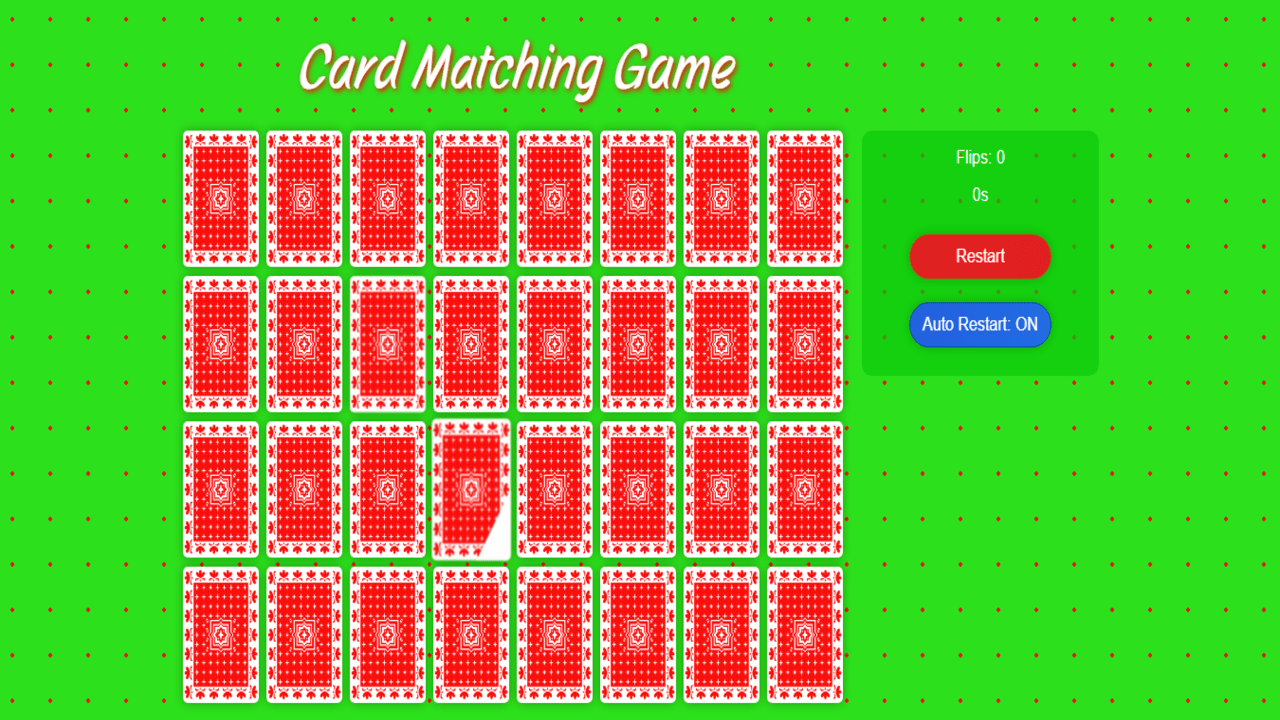
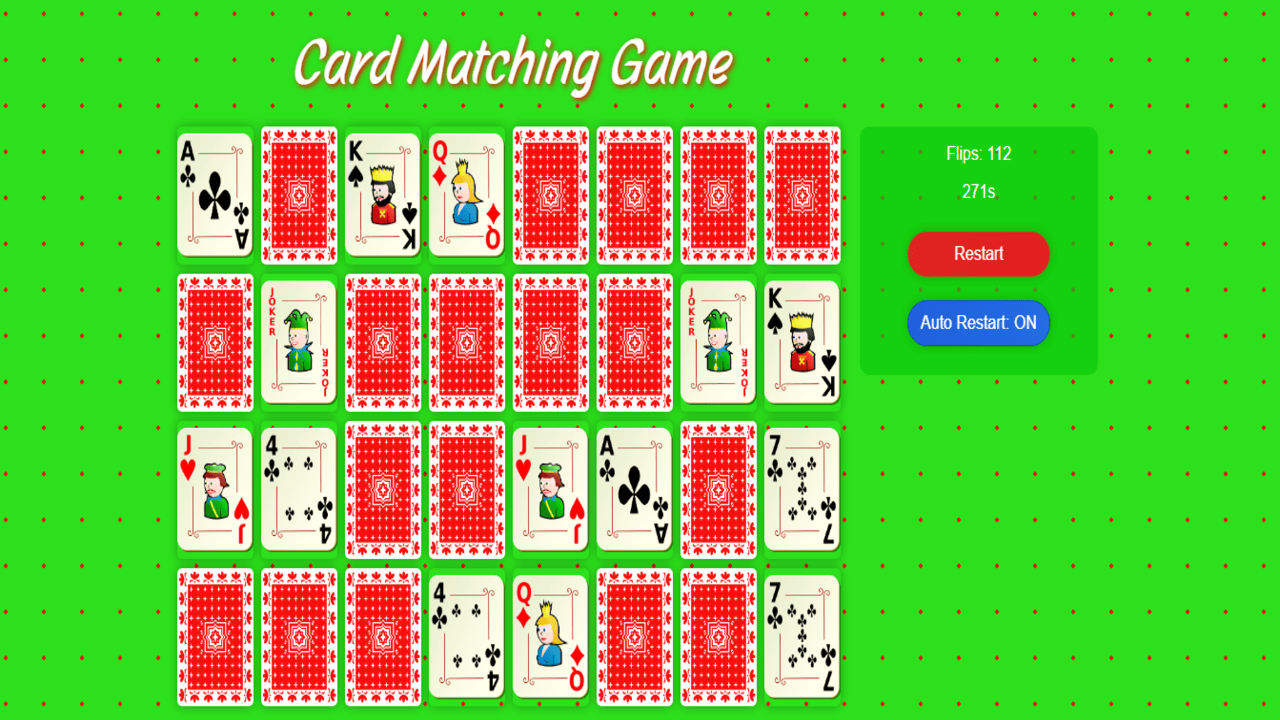
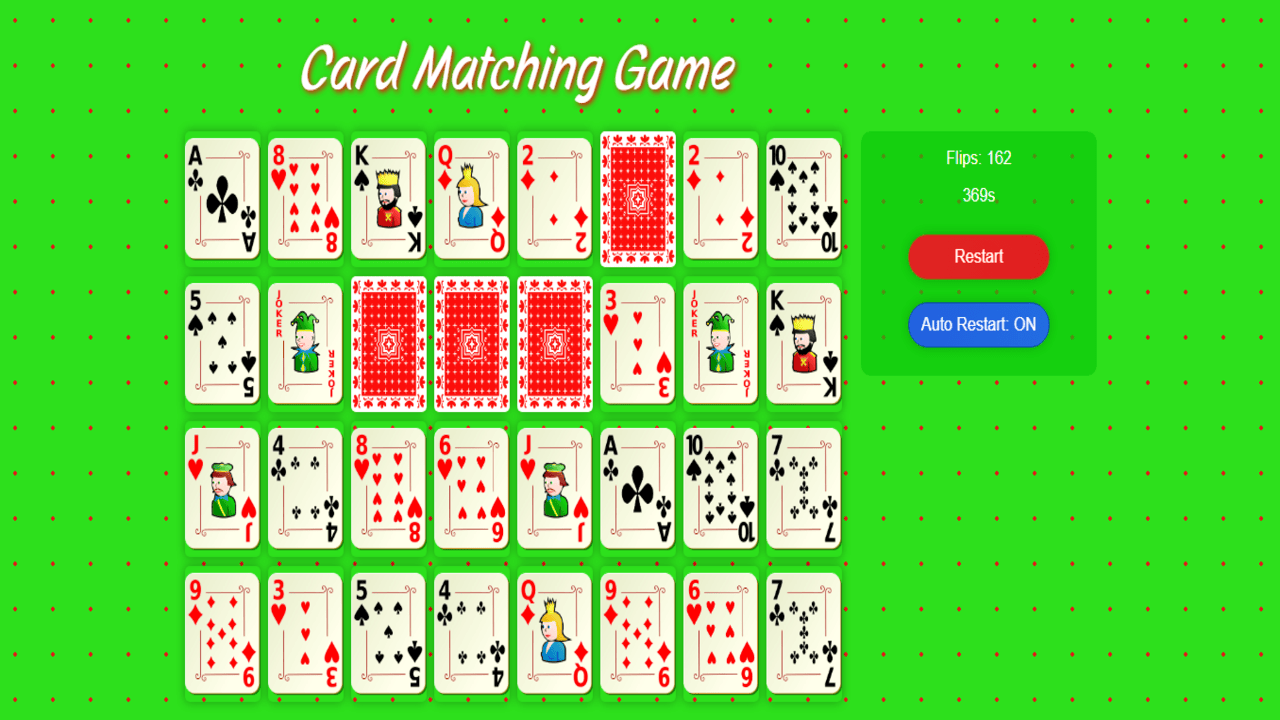
Card games have fascinated people for centuries, combining elements of chance, skill, and strategy. Among the most beloved is Solitaire, a classic single-player card game that has stood the test of time. Known in many variations around the world, Solitaire challenges players to arrange and match cards in specific sequences or patterns, often with the goal of clearing the playing field. In the modern digital age, Solitaire: Card Matching Game has taken this age-old pastime to a new level, offering an engaging mix of entertainment, mental stimulation, and accessibility.
This article explores the history, gameplay mechanics, benefits, strategies, and digital evolution of Solitaire: Card Matching Game, providing a comprehensive guide to why it remains such a popular choice for players of all ages.
A Brief History of Solitaire
The origins of Solitaire are somewhat debated. Some historians trace it back to Northern Europe in the late 18th century, where it may have begun as a type of parlor game. By the 19th century, Solitaire had gained immense popularity in France and England, eventually spreading worldwide.
In the United States, Solitaire became a household name thanks to its inclusion in computer operating systems. Microsoft first introduced the digital version, Klondike Solitaire, in 1990 with Windows 3.0, designed as both entertainment and a way to help users practice drag-and-drop mouse controls. Since then, Solitaire has become one of the most widely played digital games ever created.
Understanding the Solitaire: Card Matching Game
The concept of Solitaire: Card Matching Game is simple yet endlessly engaging: players must organize, flip, and match cards to meet specific objectives. Depending on the variation, the main goal might be:
Arranging Cards in Order – Placing them sequentially by rank and suit (for example, Ace through King).
Clearing the Board – Matching pairs of cards to remove them from play.
Unlocking Hidden Cards – Revealing and strategically moving cards until no moves remain.
Unlike multiplayer card games that require opponents, Solitaire allows for introspection and self-challenge, making it both relaxing and stimulating.
Popular Variations of Solitaire
While the umbrella term “Solitaire” covers many games, here are a few of the most well-known card-matching versions:
Klondike: The classic version most people associate with Solitaire, requiring players to build sequences in alternating colors while uncovering hidden cards.
Spider Solitaire: Uses two decks of cards where the objective is to arrange sequences from King to Ace in the same suit.
Pyramid Solitaire: Focuses on pairing cards that add up to a total (commonly 13) to remove them from a pyramid-shaped layout.
TriPeaks Solitaire: Involves clearing peaks of cards by selecting those one higher or lower than the active card.
FreeCell: A strategic variant where all cards are visible from the start, relying heavily on logic and planning.
These versions keep Solitaire fresh, ensuring that players can always find a mode suited to their style of play.
Benefits of Playing Solitaire: Card Matching Game
Beyond being a fun pastime, Solitaire offers several benefits:
1. Mental Stimulation
Solitaire sharpens problem-solving abilities and enhances concentration. Players must plan ahead, anticipate possible moves, and adapt when obstacles arise.
2. Stress Relief
The game’s steady pace and repetitive motion can create a calming effect, making it a great way to unwind. Studies suggest that puzzle games can reduce stress by promoting mindfulness and focus.
3. Improved Memory and Strategic Thinking
Remembering card positions and tracking sequences improves memory skills. The need to think several moves ahead strengthens strategic decision-making.
4. Accessibility
Solitaire requires minimal setup. Whether on a physical deck or a digital app, it’s easy to start a game anytime.
5. A Sense of Accomplishment
Winning Solitaire may not always be easy, but completing a round provides a satisfying feeling of achievement.
Strategies for Success in Solitaire
While Solitaire involves some luck, good strategy significantly increases winning chances. Here are a few tips:
Prioritize Uncovering Hidden Cards – Always try to flip hidden cards early, as they unlock new possibilities.
Build Foundations Evenly – Avoid stacking too heavily in one pile; keep your options open.
Save Moves for Later – Sometimes it’s wise not to place a card immediately. Waiting may open better opportunities.
Use the Undo Option in Digital Games – Modern Solitaire apps allow backtracking, which is useful for refining strategy.
Plan Several Moves Ahead – Just like chess, anticipate how a single move affects future possibilities.
The Digital Transformation of Solitaire
The 1990s marked a revolution for Solitaire when Microsoft bundled it with Windows. This not only helped millions learn to use computers but also made Solitaire one of the first widely played casual digital games.
Today, Solitaire: Card Matching Game is available on smartphones, tablets, and online platforms, often featuring:
Customizable Themes and Backgrounds – Players can personalize their experience.
Daily Challenges and Rewards – Keeping gameplay fresh with new objectives.
Multiplayer Leaderboards – Adding a competitive twist to a traditionally solo game.
Offline Mode – Perfect for playing anywhere, anytime.
With apps available across Android and iOS, Solitaire continues to thrive in the digital entertainment ecosystem.
Why Solitaire Remains Timeless
The enduring appeal of Solitaire lies in its simplicity, accessibility, and versatility. Unlike fast-paced video games that demand constant action, Solitaire allows players to engage at their own pace. Its mix of skill and chance ensures that no two games are alike, keeping it endlessly replayable.
Moreover, Solitaire bridges generations. From grandparents who grew up playing with physical decks to children introduced through apps, it remains a universal game that unites people through shared experience.
Conclusion
Solitaire: Card Matching Game is far more than just a casual pastime. With its deep history, variety of versions, and modern digital presence, it has established itself as a timeless classic. It offers mental stimulation, stress relief, and entertainment in equal measure. Whether you are shuffling real cards on a table or tapping through a smartphone app, Solitaire provides a sense of challenge, relaxation, and satisfaction that few games can match.
As technology evolves, Solitaire continues to adapt, proving that some games are truly evergreen. It’s a reminder that simplicity, when combined with strategy and enjoyment, can create experiences that endure for centuries.